在後現代福音的大能 Power of the Gospel in the Postmodern society

在後現代福音的大能
Power of the Gospel in the Postmodern society
作者:陳耀鵬牧師
日期﹕2024-05-01
各位同行者
葛培理佈道團在四月六日上午九時至下午四時十五分於大溫哥華聖道堂舉辦 了一個 2024 華人福音大會。我不能參加早上的聚會,因為要負責教會網上 的耆英崇拜。不過很開心,我可以在下午一時三十分至三時三十分分參加了 這個福音大會在下午的聚會,與接近一千位的弟兄姊妹一同聆聽了兩個講座
- 新加坡聖經學院院長謝木水牧師博士的「在後現代社會中讓佈道事工煥發 新生」及葛培理牧師的孫兒葛衛理牧師的「福音的大能」。 我從中獲益良 多,在此希望簡單與你分享,彼此勉勵。


後現代是這一代對之前被稱為現代的那一代一個相對的形容。後現代對現代以理性為主導非常不滿,以致對高舉理性的基督教的傳道方式反感。一些後現代的人會視傳福音是一種宗教狂熱的現象,侵犯自由信仰的權利,強迫洗腦的方法及手段,甚至是破壞宗教和諧的暴力行為。謝牧師提醒信徒需要反省基督教信仰是否趨向甚至被外人認為等同現代的理性主義?基督教制度是否服侍現代霸權?基督教文化是否表達這種現代精神? 謝牧師首先用提摩太 後書第二章 11 至 13 節指出耶穌的「生」可以醫治現代理性,耶穌的「死」 可以醫治現代霸權,耶穌的「復活」可以醫治現代心靈。福音叫現代唯我獨 尊的理性回歸上帝,道成肉身可以打破現代化心靈的鐵籠,復活生命能夠更 新個人與自然,叫信徒更有道德勇氣。 他提醒作為一個生活在後現代的傳道人,首先需要曉得怎樣做「人」,要好好認識時代,自己經歷福音,擁有福 音的人格及活像基督 。在「傳」的技巧上切忌驕傲 ,態度要謙卑,他人為 先及言行一致。 最後「道」的內容需要使人覺得有價值意義及感受到神的真 實與寶貴。謝牧師博士的分享資料非常豐富,理論非常強,可能會有些人覺 得有一種難以消化的感覺。這使我記起我的建道同學與前建道同事何啟明牧 師對前現代,現代與後現代的分析。
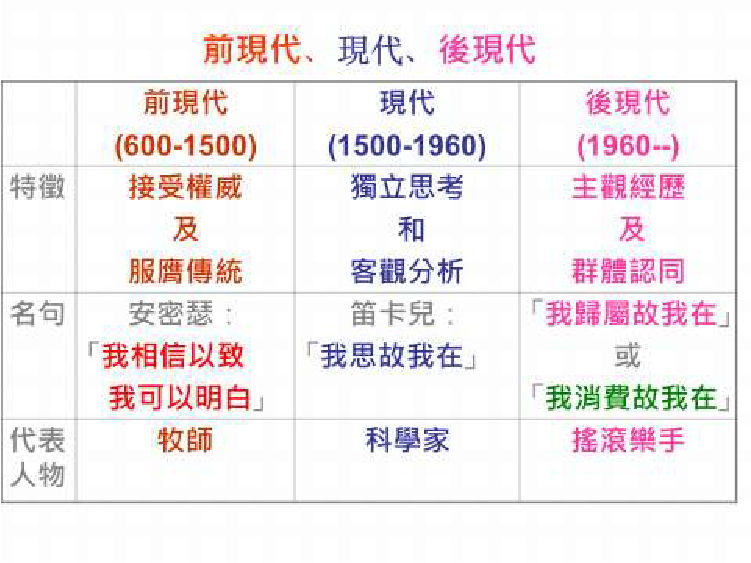
跟著大會的壓軸講員葛培理牧師的孫兒葛衛道牧師的「福音的大能」是一篇簡單易明,充滿故事,很多見證的講章。他首先提到自己的太公太婆多年前是中國的宣教士,在江蘇省傳道。他的婆婆亦即葛培里牧師的太太 Ruth 甚 至在中國出生。他說若他們仍世,甚至今日在場,必定喜極而泣,因為在 他們一生中,特別是太公太婆一定沒有見過這麼多的華裔基督徒聚集,更何 況是一班願意參與傳福音講座的基督徒聚在一起學習怎樣傳福音。

他跟著從使徒行傳第八章腓力向安提阿伯太監傳福音的故事指出福音大能的 四方面。傳福音必須從神的命令開始,其次傳福音的人亦需要聽從神的指 示,另外傳福音必須以個人為對象甚至只以一個人為對象,最後傳福音的內 容必須是神的話語。他提到兩個關於他爺爺葛培里牧師佈道的故事去引證他 的第三及第四點,令我印象很深刻。1959 年葛牧師在澳洲舉行大型佈道會, 有百分之二十六的澳洲人在那次佈道會聽到葛牧師的信息,百分之四的澳洲
人歸向基督,其中一位是原本鄙視基督教及憎恨基督徒的巴士司機,因為他 想知道為什麼他接載的一班基督徒聽到葛牧師的信息後那麼開心,所以自己 便好奇的去聽,然後信主。跟著全家得救,甚至後代成為影響澳洲的一班基 督徒。另外在 1953 年葛培里牧師在美國達拉斯市的一晚大型佈道會後,第 二天早上他與一位屬靈長者散步,在聊天時,葛牧師表白他昨天晚上雖然有
人信主,但他自覺好像缺乏一種屬靈深度、能力與興奮。那位屬靈長者提醒 他因為他昨天的信息中,沒有提到十字架。
這使我記起這首聖詩 -
1.求主使我靠十架 在彼有生命水
寶血由十架流下
白白賜人洗罪
十字架十字架
永是我的榮耀
我眾罪都洗清潔
2.我來到主十架前
蒙救主的愛憐
祂賜我聖靈亮光
照亮我的心田
十字架十字架
永是我的榮耀
我眾罪都洗清潔
唯靠耶穌寶血
3.求主使我依十架
思念昔日情景
常在十架蔭庇下
緊緊跟主前行
十字架十字架
永是我的榮耀
我眾罪都洗清潔
唯靠耶穌寶血
4.儆醒等候十架前
盼望信心加增
直到走完世路程
天家永享安穩
十字架十字架
永是我的榮耀
我眾罪都洗清潔
這首讚美詩提醒我們,十字架在福音信息中的中心地位,以及它給個人和社 區帶來的轉化力量。
Dear friend
The Billy Graham Evangelistic Association held a Chinese Evangelism Conference in Vancouver at the Evangelical Chinese Bible Church on April 6th, from 9:00 AM to 4:15 PM. I couldn't attend the morning session as I was responsible for the online senior worship service at church. However, I was glad to join the conference from 1:30 PM to 3:30 PM in the afternoon, where nearly a thousand brothers and sisters gathered to listen to two lectures: "Reviving the Evangelism Ministry in the Postmodern World" by Dr. Clement Mook-Soo Chia, the president of the Singapore Bible College, and "The Power of the Gospel" by Rev. Will Graham, the grandson of the late Rev. Billy Graham. I gained a lot from these sessions and wanted to share some insights with you for mutual encouragement.
The term "postmodern" describes a generation dissatisfied with the previous "modern" era dominated by reason, particularly disliking the rationality-centered evangelistic methods of Christianity. Some in the postmodern era view evangelism as religious fanaticism, infringing on the rights of free belief, using coercive brainwashing tactics, or even resorting to violent acts that disrupt religious harmony. Dr. Chia reminded believers to reflect on whether their Christian faith tends towards or is perceived as equal to modern rationalism, whether the Christian institution serves modern hegemony, and whether Christian culture expresses this modern spirit. Dr. Chia first pointed to Timothy 2:11-13 to illustrate that Jesus' birth can heal modern rationalism, His death can heal modern hegemony, and His resurrection can heal modern spirituality. The Gospel calls modern rationalism back to God, breaks the iron cage of modernized minds through the Incarnation, renews life in individuals and nature, and gives believers greater moral courage. He emphasized that as evangelists living in a postmodern era, we must first know how to be "human," understand the times, experience the Gospel ourselves, possess a Gospel character, and resemble Christ. In the skill of "preaching," we must avoid pride, maintain a humble attitude, and align our actions with our words.
Lastly, the "content" of the Gospel should make people feel valuable, meaningful, and experience the true and precious presence of God. Dr. Chia's presentation was rich in content and strong in theory, which might be challenging for some to digest and apply. His presentation on postmodernism reminds me of my classmate and former colleague in the Alliance Bible Seminary simple analysis on the subject.

However, Rev. Will Graham's closing lecture on "The Power of the Gospel" was simple, easy to understand, full of stories, and many testimonies. He first mentioned that his great grandparents were missionaries in China many years ago, spreading the Gospel in Jiangsu Province. His grandmother, Ruth, was born in China and married to Billy Graham. He said if they were still alive, they would be overwhelmed with joy to see so many Chinese Christians gathered, especially a group willing to participate in lectures on evangelism.
He then used the story of Philip preaching the Gospel to the Ethiopian eunuch in Acts 8 to illustrate four aspects of the power of the Gospel. Evangelism must start with God's command, the evangelist must listen to God's guidance, evangelism must target individuals, even just one person, and the content of evangelism must be God's Word. He cited two stories about his grandfather's preaching to demonstrate his third and fourth points, which left a deep impression on me. In 1959, during a large-scale evangelistic meeting in Australia, 26% of Australians heard Billy Graham's message, and 4% of them turned to Christ, including a bus driver who initially despised Christianity and hated Christians. He became curious about why the Christians he transported were so happy after hearing Billy Graham's message, so he went to listen himself and then believed in Christ, along with his entire family, who later became influential Christians in Australia. In another story from 1953 in Dallas, Texas, after a large evangelistic meeting, Billy Graham walked with a spiritual elder the next morning. During their conversation, Billy Graham confessed that although people had accepted Christ the night before, he felt a lack of spiritual depth, power, and excitement. The spiritual elder reminded him that he hadn't mentioned the cross in his message. This reminded me of a hymn:
1. I come to the cross, so marvelously saved, The Savior's love I've found, He gave me the light of the Holy Spirit, To illuminate my heart. The cross, the cross, Forever my glory, All my sins washed clean. Only by Jesus' precious blood.
Lord, make me depend on the cross, Remembering past scenes, Always sheltered in the
shadow of the cross, Following closely with the Lord. The cross, the cross, Forever my
glory, All my sins washed clean, Only by Jesus' precious blood.
Lord, make me depend on the cross, Remembering past scenes, Always sheltered in the
shadow of the cross, Following closely with the Lord. The cross, the cross, Forever my
glory, All my sins washed clean, Only by Jesus' precious blood.
Watchful, waiting before the cross, Hope and faith increase, Until I finish my journey on
earth, Enjoying eternal peace in heaven. The cross, the cross, Forever my glory, All my sins washed clean, Only by Jesus' precious blood.
This hymn reminds us of the centrality of the cross in the Gospel message and the transformative power it brings to individuals and communities.
David Chan
2024-04-29

留言